Showing posts with label alcohol effects. Show all posts

Friday, September 6, 2013

The Missing Link - Drinking and Prostate Cancer

Prostate cancer is a vicious disease found primarily in older males, which negatively affects the prostate gland – located in the male reproductive system. A variety of factors have been shown to contribute to development risks, including exposure to particular chemicals and family genetics. New research shows that heavy drinking may also play a part
Evidence


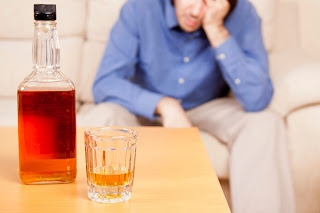
According to the World Health Organization, an individual who consumes alcoholic beverages will increase the risk of cancer development in later life. Research shows that the risk remains even in individuals who do not consume enough alcohol to get drunk. Individuals who consume a moderate amount of alcohol on a consistent basis still appear to incur similar risks.

Connection


Connection between drinking and prostate cancer
Scientists have come up with a number of theories as to how alcohol consumption increases cancer risks. Some research suggests that the body actually converts alcohol into toxic chemicals – the cause of hangovers in heavy drinkers. This chemical is also theorized to cause irreparable damage to DNA cells, ultimately resulting in a cancer diagnosis. Alcohol can also increase estrogen, testosterone and other hormone levels while decreasing the body’s folate supply, all factors that contribute to cancer risks.

Prostate Cancer


In recent years, researchers have located a specific link between prostate cancer development and alcohol consumption. A study performed by scientists from Australia and America appears to indicate that males who consume a mere two drinks per day increase their risk of prostate cancer development by a whopping 20%! The study also concluded that the risk factor would increase alongside additional routine consumption. 

Learn More


Looking for alcohol abuse help? Contact Above It All today! With a team of seasoned addiction and recovery specialists available to address your questions and concerns, you can count on Above It All for the information and assistance you’ve been searching for. Call today!

Wednesday, August 21, 2013

The Astonishing Effects of Smoking and Alcohol on the Brain


Read this before you have another drink or smoke another cigarette
Alcohol and tobacco consumption can result a variety of long- and short-term health issues. However, the most extreme risks lie in the potential for permanent neurological damage. In this entry we will discuss the toll of tobacco and alcohol on the human brain.

Nervous System


The chemicals found in tobacco products may cause white blood cells to attack healthy cells, resulting in the potential for disorders and neurological issues down the road.

State of Mind


Studies have found smoking to result in a decline in cognitive function 5x the rate of non-smokers. Diminished cognitive functions may eventually lead to mental deficiencies and dementia in later life.

Brain Damage


Prolonged and excess alcohol intake may lead to brain damage. As an example, numerous alcoholics eventually develop Wernicke—Korsakoff syndrome, causing an array of debilitating symptoms, including memory issues, confusion, and paralysis of the nerves responsible for eye movement.

Memories


Alcohol’s effect on the brain can be seen after only a drink or two. With excessive intake over a long enough use period, drinkers will experience increased memory deficiency.

Fetal Alcohol Syndrome


Drinking alcohol during pregnancy places the fetus at risk for developmental issues both early and later in life. Of these issues, perhaps the most difficult to stomach is fetal alcohol syndrome; a condition where children are born with fewer brain cells and smaller brains.

Learn more about alcohol abuse and addiction – Call Above it All Treatment Center today!

888-896-6554

Friday, May 31, 2013

Alcohol Poisoning – Effects on the Human Body

Chances are, if you’re one of the many people who drink alcohol, that you’ve experienced an episode (or two) of overindulgence. Most drinkers can relate to hangover symptoms: headache, nausea, fatigue, etc. But consumption to excess can also lead to alcohol poisoning; a condition with a risk of death due to: seizure, choking on your own vomit, or breathing difficulties. Even in cases where death is avoided, brain damage is still a potential effect. 


What Happens?

Alcohol is classified as a depressant, which when ingested, works to depress our nerves – the very same nerves that control breathing. In order to combat the effects of alcohol, our bodies must release a number of chemicals. However, despite the positive intentions, these chemicals can cause fatigue and nausea. With a few too many cocktails under our belts, we often experience slurred speech, blurred vision and coordination difficulties. Because alcohol also inhibits the gag reflex, those who become unconscious after a night of excess may lose the ability to control their vomit, posing a heightened risk of asphyxiation. To boot, even when a person becomes unconscious, blood alcohol levels will continue to rise.

What are the Signs?

Though the symptoms associated with intoxication and poisoning are quite similar – nausea, headache, mental confusion, blurred vision – when a person overdoses, they fall into a deep unconscious state, from which they are unable to be awakened. Irregular or slowed breathing may become apparent, body temperature may drop and vomiting will often increase. Once blood sugar levels have dropped low enough, skin tones may appear pale or a slight shade of blue. Seizures may sometimes follow.

Need Help?

Struggling with alcohol abuse? Pick up the phone and call Above it All treatment center! With a team of seasoned drug and alcohol specialists available to address your questions and concerns, you can count on Above it All for the information, guidance and support you’ve been searching for. Call today!


Tuesday, April 23, 2013

The Effects of Alcohol on Body Weight


Though people commonly joke about the “freshman 15” and beer bellies, the simple truth is that alcohol contains calories; regular or excess consumption of which can result in unwanted weight gain. 
OJ vs Beer


Calories

When considering the effects of alcohol on body weight, drinkers should take a look at the average alcoholic beverage calorie count:

-Wine: (4-oz) 62 – 160 Cal
-Shot of Liquor: (1.5-oz) 115 – 200 Cal
-Beer: (12-oz.) 140 – 200 Cal
-Light Beer (12-oz.) 100 – 150 Cal

Food

The main rule of weight maintenance and loss is burning the same or more calories per day than taken in via beverage and food. However, a few key characteristics of alcoholic beverages, in addition to calorie count, make them more prone to result in weight gain.

Alcohol consumption is typically associated with high-fat food choices: wine with steak – beer with pizza. Alcohol also lowers the body’s blood sugar levels, causing food cravings.

Body

In addition to the extra meals and snacks ingested, alcohol’s “empty calorie” content holds little-to-no nutritional value. Though beer may seem filling to some, it is no substitute for a well-balanced meal.

Once alcohol has been digested, our bodies convert portions of it into fat. The liver is then tasked with converting the remainder into acetate, which affects our fat metabolism rate. Simply put, when the body is faced with high acetate levels, burning acetate – not fat - takes priority. As such, the body must store the fatty calories, resulting in weight gain.

Need Help?

Looking for an alcohol recovery inpatient facility? Pick up the phone and call Above it All! With a team of seasoned drug and alcohol addiction specialists available to address your individual needs, you can count on Above it All to have you on the fast track to recovery in no time. 

Wednesday, February 27, 2013

Substance Abuse Causes


When it comes to substance abuse, it can be difficult to place blame on any one factor. However, some factors are often repeated so regularly they form patters of behavioral, emotional and biological reasons for the abuse. In this entry, we will discuss some of the more common reasons people fall into the grips of substance abuse.


Curiosity

Humans are curious creatures by nature. As such, it’s no wonder that many people often base their initial use on curiosity. Once the user discovers the euphoric effects of the substance, the abuse cycle takes hold – typically in young adults and teenagers.

Low Self Esteem

A great number of people begin dabbling with drugs early in life in an attempt to fit in with peers. Those who lack a social confidence in themselves are often more prone to drug use as a means of gaining acceptance.

Tolerance

Drug tolerance is developed once a user requires an excess amount of the same substance in order to achieve the same level of intoxication reached previously with less of the same drug. As a result, the user may begin using larger amounts of the substance, and using more frequently, in an attempt to enjoy the satisfaction level experienced previously.

A Change In Motive

Some addicts start out using prescription medications to address pain, gradually becoming emotionally and physically dependent over time. These types of addicts are typically law abiding, hard working citizens who grew into their addictions accidentally.

Hereditary

The term “Family Disease” is often used when discussing addiction causes due to the available evidence suggesting that hereditary factors play a role in which people will become addicts and alcoholics, and which will remain social drinkers or recreational users. Studies show a strong tendency for the offspring of addicts, or alcoholics, to also become addicted to alcohol and drugs.

Need Help?

If you or a loved one are experiencing difficulty with a substance abuse problem, our California drug rehabilitation facility is available to help. Give us a call today, and let our team of addiction specialists help you back on track towards the healthy, happy lifestyle you deserve.

Tuesday, January 22, 2013

A Breakdown of the Alcohol Stages


The human body breaks down alcohol in 3 various stages. Each stage takes a fair amount of time while the body reacts to the ingested substance. In most people, the average drink (12 oz. beer, 4 oz. wine, 1 oz. shot) takes an hour to metabolize fully. As such, it’s important you know what your body must go through in order to break down these types of substances.


Metabolism

When alcohol is ingested, the fluids hit the drinker’s stomach on their way to the small intestine. This is the point where the alcohol is absorbed into the bloodstream. Here, small blood vessels will absorb the alcohol before transporting it to the liver. Once alcohol reaches the liver, our metabolism begins converting and breaking it down with enzymes into non-toxic acid. In total, roughly 80-90% of ingested alcohol is broken down by our body’s metabolism.

Excretion

Another ways our bodies remove alcohol is through the process of excretion. Alcohol is eliminated largely through urinary passages once it has passed through the kidneys. Additional excretion methods include sweat, saliva, feces and milk.

Exhalation

Our lungs exhale roughly 5% of all ingested alcohol. This factor makes it easy for breathalyzer tests to determine the body’s current alcohol content. Alcohol content found in breath comes from air sacs in the lungs, called alveoli.

Alcohol Levels

BAC (Blood Alcohol Content) is the most accurate way of determining the current amount of alcohol in an individual’s system. The measurement is made by the percentage of alcohol currently in the individual’s blood. Though blood tests have been found to be more accurate, breathalyzer tests are more common due to their ease of use. Urine tests may also help in determining current system alcohol levels. If an individual chooses to drink more alcohol than their body can metabolize in a short period of time, the BAC is be increased.

Need Help?

If you or someone you live our drug rehab in California is the place to call. Pick up the phone today, and let our team of addiction specialists help you back on track towards the happy, sober, and fulfilling lifestyle you deserve. 

Wednesday, January 9, 2013

Teen Drinking Facts


Alcohol use effects the human body in a variety of ways that inhibit our ability to perform routine tasks. Driving after consuming even one drink can be extremely dangerous – enhancing the risk of auto accident-related injury and fatality. Alcohol use also serves to inhibit academic performance. In the U.S. the legal drinking age is 21. If you are concerned about teenage drinking, it is important to open a discussion on the topic.


Effects

Alcohol acts as a depressant. As such, individuals who drink will experience slowed brain activity. Even just a drink of two may cause the drinker to act confused or out of character. Drinkers will often experience mood swings and a loss of balance.

Legal

As stated above, the minimum drinking age in the U.S. is 21. This restriction pertains to the purchase, possession and consumption of any alcoholic beverage. According to the Underage Drinking Prevention Project, the only exceptions are when a minor is in a private establishment, requires alcohol for medical reasons, is using in conjunction with a religious ceremony, or possesses it on the job for purposes of lawful employment.

Laws will vary between states. As such, it’s important to educate yourself on regional restrictions.

Education

Regular alcohol consumption often serves to inhibit poor academic performance. Studies show that high school students who regularly consume alcohol are at a 5X higher risk of dropping out of school that those who abstain altogether.

Sex

Alcohol use in minors offers a heightened risk of dangerous sexual activity. Because drinking works to lower user inhibitions, many young people may be more easily swayed into unprotected sex. This works to heighten the risk of unplanned pregnancies, and STDs.

Discuss

If you or someone you love is struggling with an alcohol issue, our California drug rehab facility is the place to call. Pick up the phone today, and let our team of specialists help your teen back on track towards the happy, productive and healthy lifestyle they deserve.

Thursday, October 11, 2012

Alcohol’s Effect On Homeostasis


Our body’s ability to maintain equilibrium, or homeostasis, is a wondrous trait, which allows us to survive an array of varying conditions while affronting our health against infection, poisons and harsh climates. It takes the cooperation of the entire body to achieve this effect. Hormones, for example, work to adjust the balance of the body’s electrolytes and fluids, while the nervous system helps to regulate the respiratory, digestive and urinary systems.

Our bodies ward off numerous challenges in its quest for equilibrium. Diets lacking in proper nutrients in the correct amounts will ultimately require out bodies to compensate. Depression and stress are additional factors, which have the ability to challenge the cardiovascular, endocrine and respiratory systems, thus weakening each system’s ability to maintain balance. Sleep deprivation, drugs, and exterior pressures all affect the body in similar forms.

When it comes to alcohol, the effect on the body’s equilibrium is both instantaneous and long-lasting. Even a casual drink or two requires our kidneys and liver to work overtime to properly process the toxins. And while most people’s systems are perfectly able to handle such a challenge, those engaged in abusive alcohol behaviors place their bodies at risk for more extreme issues.

One solitary night of excess places strain on the digestive, nervous and excretory systems. This is why a hangover is so often associated with fatigue, headache, digestive issues, etc.. Many people will experience a slight shaking sensation due to the disruption to the nervous system or sugar deprivation. In most cases, our bodies are able to address these issues, returning to homeostasis within a day or so.

Alcoholism, however, may work to seriously hinder the body’s ability to maintain balance. One of the more well-known issues associated with chronic alcohol abuse – cirrhosis of the liver – will eventually impair the liver’s functionality if left untreated. Without a properly functioning liver, equilibrium becomes impossible to sustain. As toxin levels escalate throughout the body, systems will eventually shut down, leading to an imminent death.

Well before our status escalates to life-threatening, these challenges to homeostasis incurred by excessive alcohol intake can inhibit our body’s ability to protect itself from additional exterior impacts to equilibrium; underscoring the importance of moderation, or seeking professional aid if you are unable to adhere.  


Thursday, September 27, 2012

Sleep & Alcohol – Facts & Effects


On average, adults tend to sleep between 7 ½ & 8 hours per evening. While the exact functionality of sleep is unknown, most evidence points towards the idea that a lack of it can result in a variety of consequences, including breathing impairments, depression, and heart disease. In addiction, daytime exhaustion due to lack of rest is often attributed to impaired occupational and social function, memory deficits, and automobile accidents.

The consumption of alcohol has been seen to cause sleep disorders by way of disrupting the duration and sequence of the various sleep states and altering the amount of total sleep time.

Non-Alcoholic

Following the initial stimulation post consumption, alcohol ingested around bedtime may work to decrease the amount of time necessary to fall asleep. Due to its sedating effects, many individuals suffering from insomnia use alcohol as a way to ensure a quick and easy transition into dreamland. Unfortunately, studies show that the alcohol consumed within the last hour before sleep may actually serve in disrupting the end half of the sleep cycle. As such, those who utilize alcohol as a sleep tool may often experience fits of daytime sleepiness and fatigue.

Alcoholic

Sleep disturbances that are attributed to alcoholism include frequent awakenings, a decrease in sleep quality, and a prolonged pre-sleep period. Hasty consumption reductions in alcoholics may result in alcohol withdrawal syndrome, including insomnia and fragmented sleeping patterns.

Recovery

Aside from minor improvements following the initial withdrawal period, sleep patterns in recovering alcoholics run the risk of never returning to normal. Studies show even abstinent alcoholics to suffer from poor sleep quality, with increased sleep fragmentation and decreased SWS. Ipso facto; relapse in severe alcoholics may result in increased SWS and decrease sleep fragmentation. Though this improvement may work to promote relapse to a small extent; in time, sleep disruption will once again rear its ugly little head.